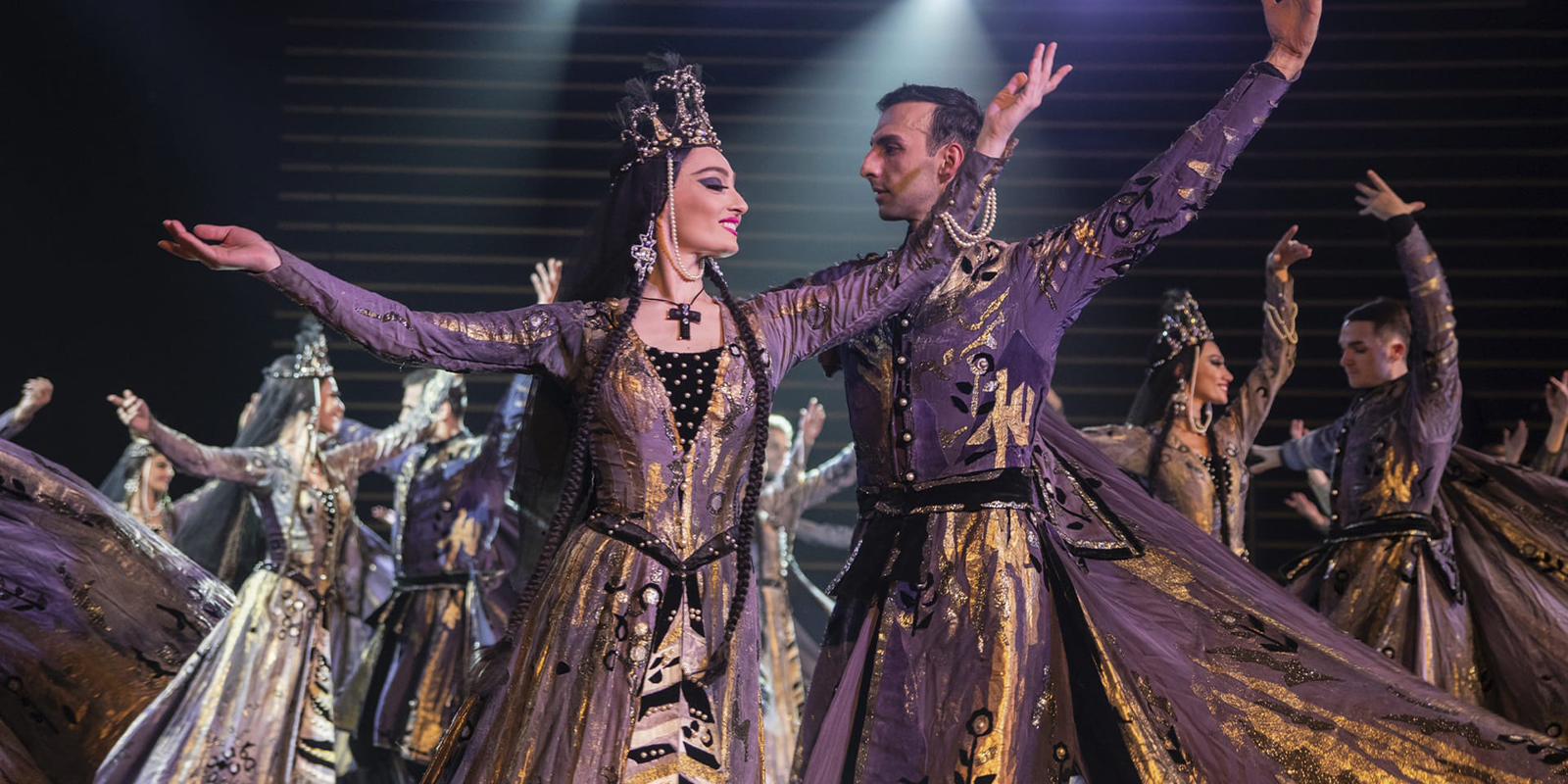
Georgian dance is one of the most vivid expressions of the country’s cultural identity, blending history, emotion, and storytelling into powerful movement. Rooted in centuries-old traditions, it reflects the spirit, struggles, and values of the Georgian people. Each performance is characterized by precision, dramatic intensity, and unique choreography that differs between regions. From energetic leaps performed by men to the graceful, almost floating movements of women, Georgian dance captures a balance between strength and elegance. The costumes, music, and rhythm all work together to create a captivating experience that resonates with audiences worldwide. More than just entertainment, Georgian dance serves as a living archive of national heritage, preserving stories of love, war, celebration, and unity across generations.
The History of Georgian Dance
Georgian dance has a long and fascinating history that dates back many centuries. Archaeological findings and historical records suggest that dance has always been an essential part of life in Georgia. From ancient rituals to medieval celebrations, movement has been used to express emotions, beliefs, and social structures. Georgian dance developed as a reflection of the country’s turbulent history, shaped by wars, invasions, and periods of peace.
In early times, dances were closely linked to religious ceremonies and pagan traditions. These performances often honored nature, gods, and seasonal changes. Over time, as Christianity spread throughout the region, the meaning of these dances evolved, but their importance remained strong. Georgian dance continued to serve as a form of storytelling, preserving the nation’s past through symbolic gestures and choreography.
During the medieval period, Georgian dance became more refined, especially in royal courts. Nobility used dance as a form of entertainment and a display of elegance and discipline. At the same time, rural communities preserved their own styles, which were often more energetic and closely tied to everyday life. This dual development contributed to the rich diversity seen in Georgian dance today. 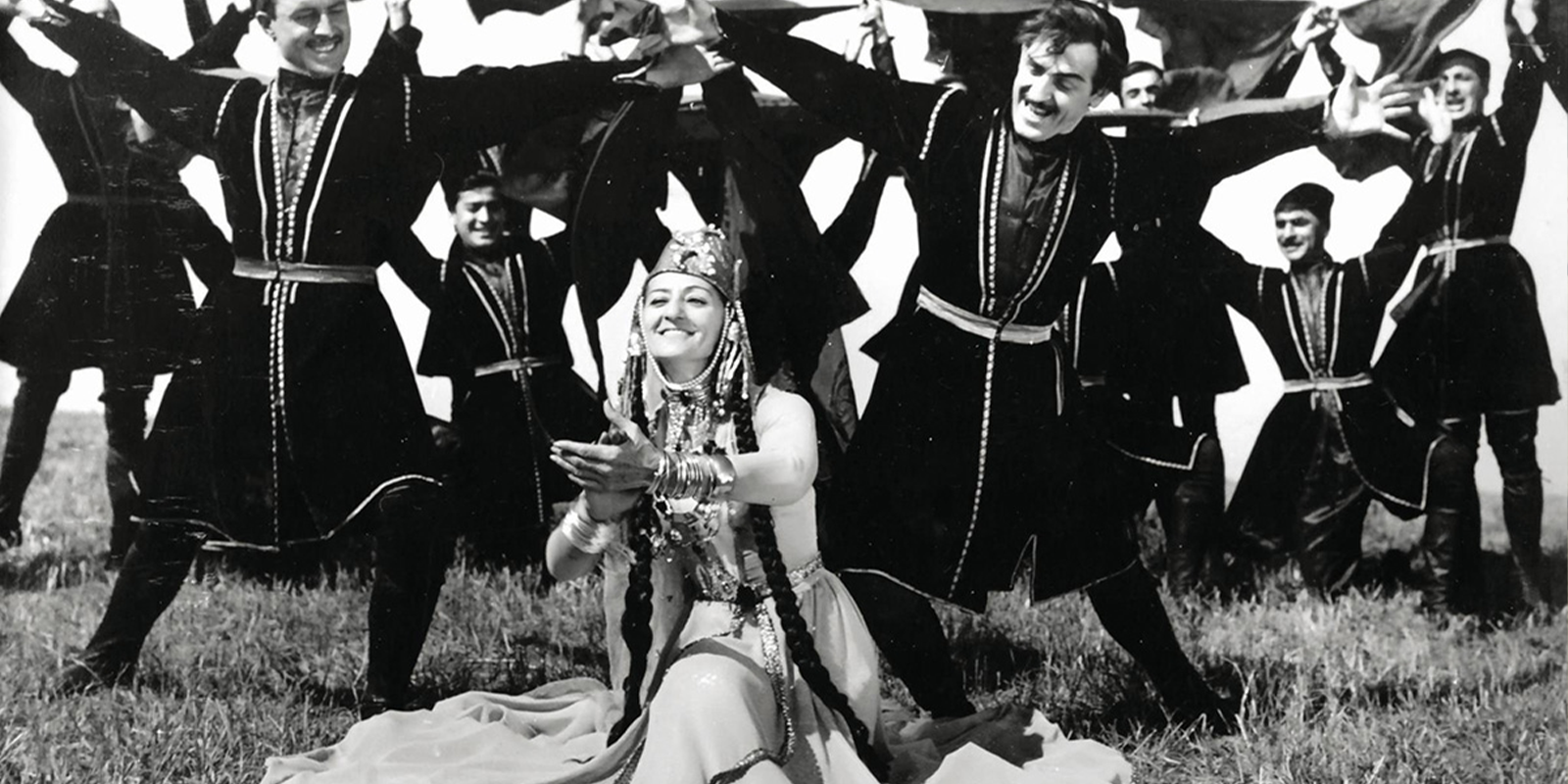
Unique Characteristics of Georgian Dance Styles
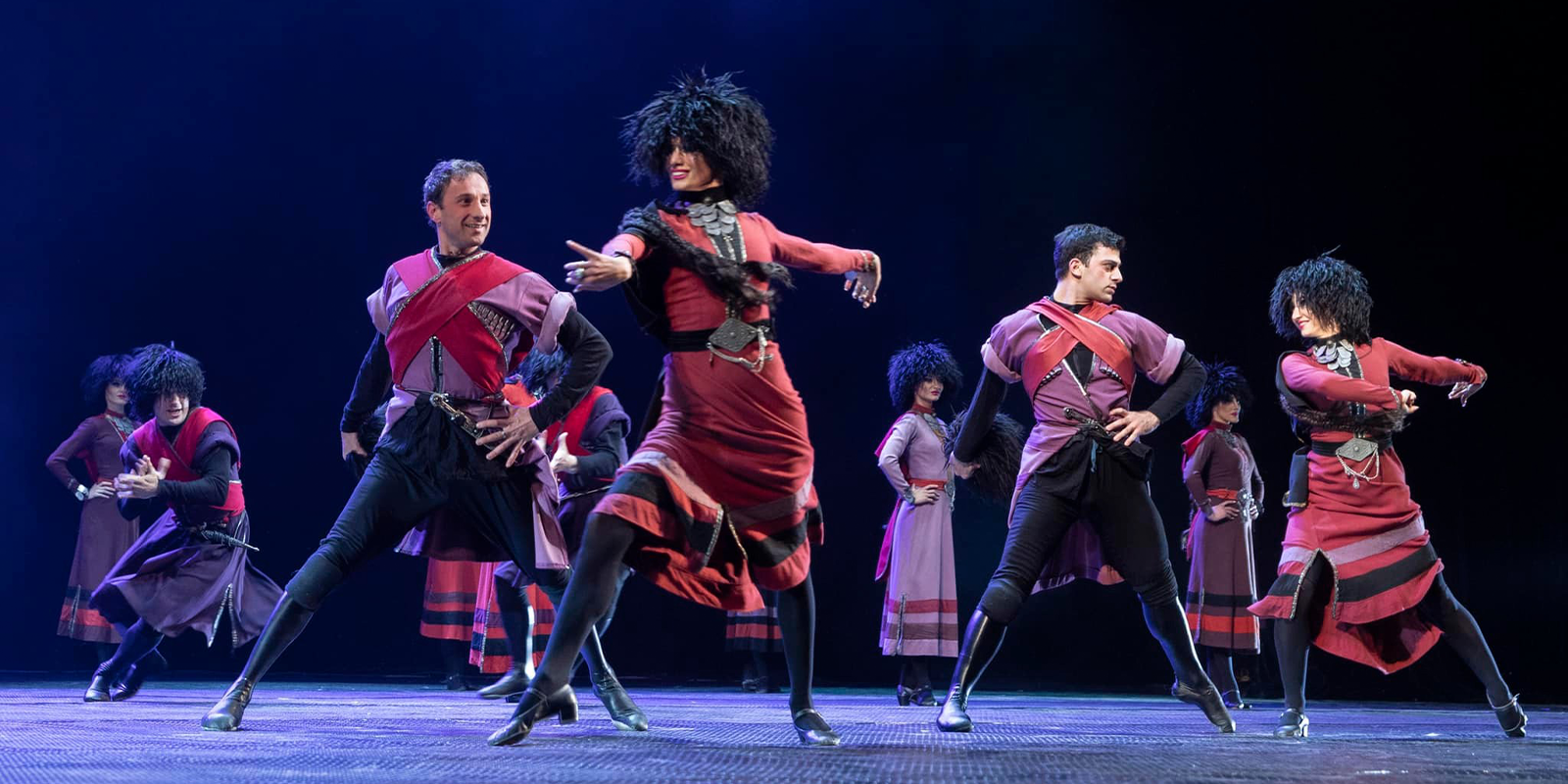
One of the defining features of Georgian dance is its diversity. Each region has its own distinct style, influenced by local traditions, geography, and history. Mountain regions often feature powerful and dramatic movements, reflecting the harsh environment and warrior spirit of the people. In contrast, dances from lowland or urban areas tend to be more graceful and refined.
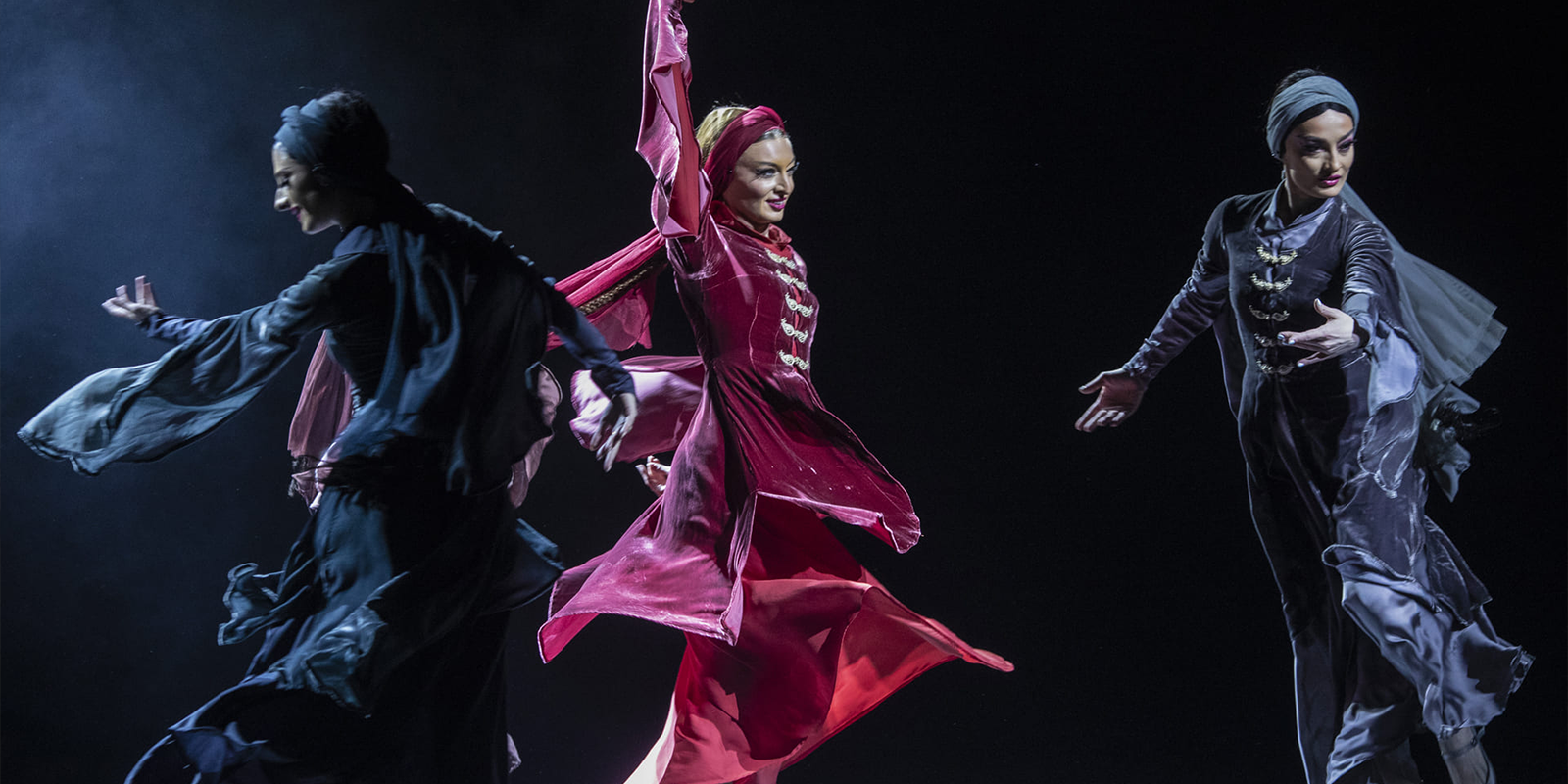
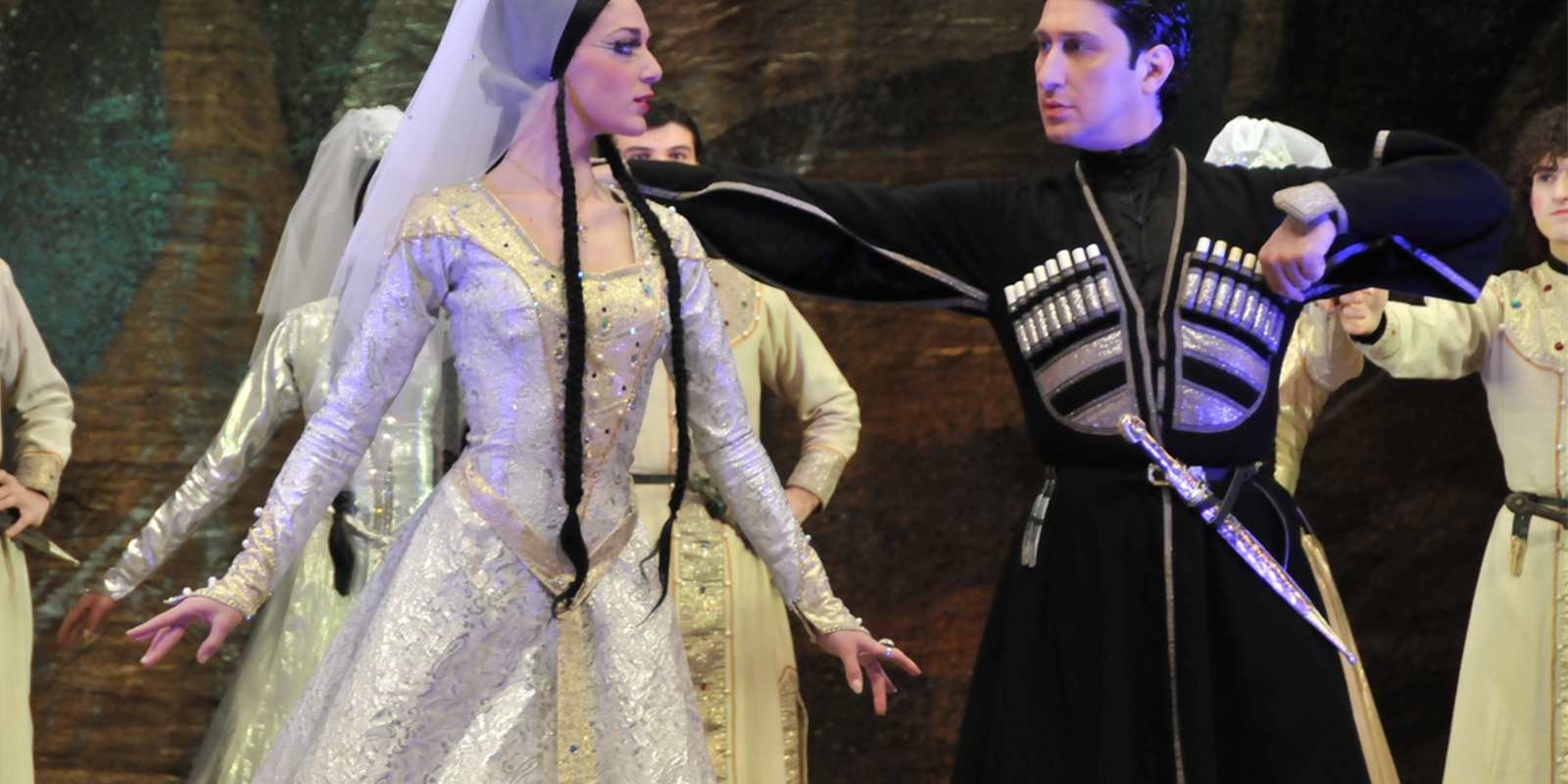
Another key characteristic of Georgian dance is the clear distinction between male and female roles. Male dancers perform with intensity, showcasing strength, speed, and precision. Their movements often include high jumps, fast spins, and intricate footwork. Female dancers, on the other hand, embody grace and elegance. Their movements are smooth and controlled, creating the illusion of floating across the stage.
This contrast is not accidental; it represents traditional gender roles and cultural values. Together, the dancers create a visual harmony that is central to Georgian dance. Every gesture and movement is carefully choreographed, contributing to a larger narrative that the audience can feel even without words.
Traditional Costumes and Music in Georgian Dance
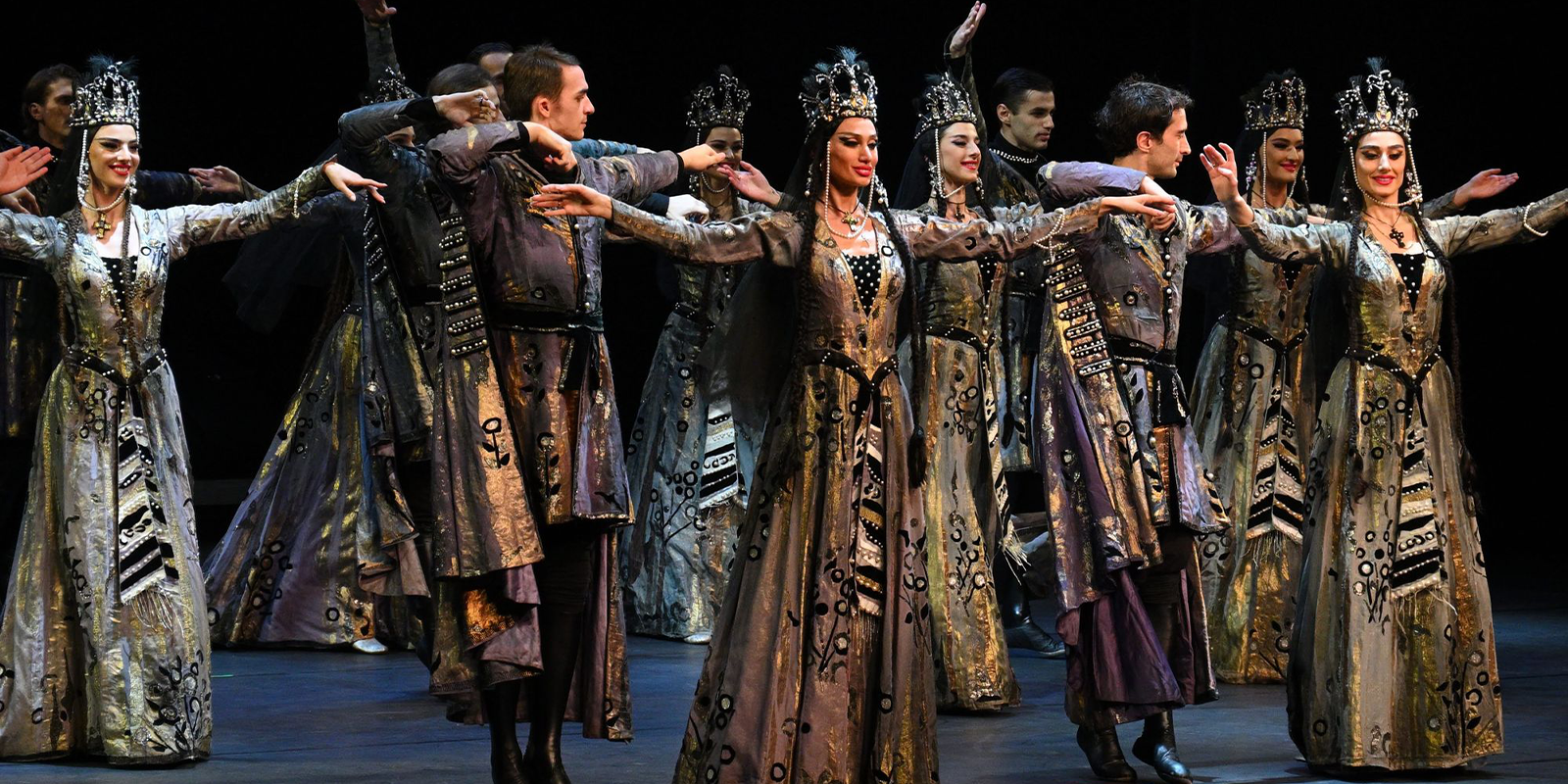
Costumes and music play a crucial role in enhancing the beauty of Georgian dance. Traditional outfits are designed to match the theme and region of each performance. Male dancers often wear chokhas, which emphasize strength and masculinity. Female costumes are long and flowing, allowing for smooth and elegant movements.
Music is equally important. Georgian dance is usually accompanied by traditional instruments and polyphonic singing, a unique feature of Georgian culture. The rhythm and tempo of the music guide the dancers, helping them maintain synchronization and emotional expression.
The combination of music, costume, and movement creates a powerful sensory experience. Georgian dance is not just about steps; it is a complete artistic performance where every element contributes to the storytelling.
Georgian Dance in Social Life and Celebrations
Georgian dance is deeply integrated into social life and cultural traditions. It is commonly performed at festivals, public events, and family gatherings. These performances are not limited to professionals; many people learn basic dances and participate in celebrations.
One important occasion where Georgian dance plays a central role is marriage in Georgia. Weddings are vibrant and joyful events where traditional dances symbolize unity, happiness, and the beginning of a new chapter in life. Through these performances, cultural values are passed down and shared among generations.
In this context, Georgian dance becomes more than an art form. It acts as a bridge between people, strengthening social connections and reinforcing a shared sense of identity.
Georgian Dance Today
In modern times, Georgian dance has gained international recognition and popularity. Professional ensembles have traveled around the world, showcasing the unique style and energy of Georgian performances. These tours have helped introduce Georgian culture to global audiences, earning admiration and respect.
At the same time, Georgian dance has continued to evolve. Contemporary choreographers experiment with new interpretations, blending traditional elements with modern techniques. This fusion allows Georgian dance to remain relevant while preserving its core identity.
Despite these changes, authenticity remains a priority. Dancers and cultural institutions work hard to maintain traditional techniques and meanings. This balance between innovation and preservation ensures that Georgian dance continues to thrive in the modern world.
Training and Education in Georgian Dance
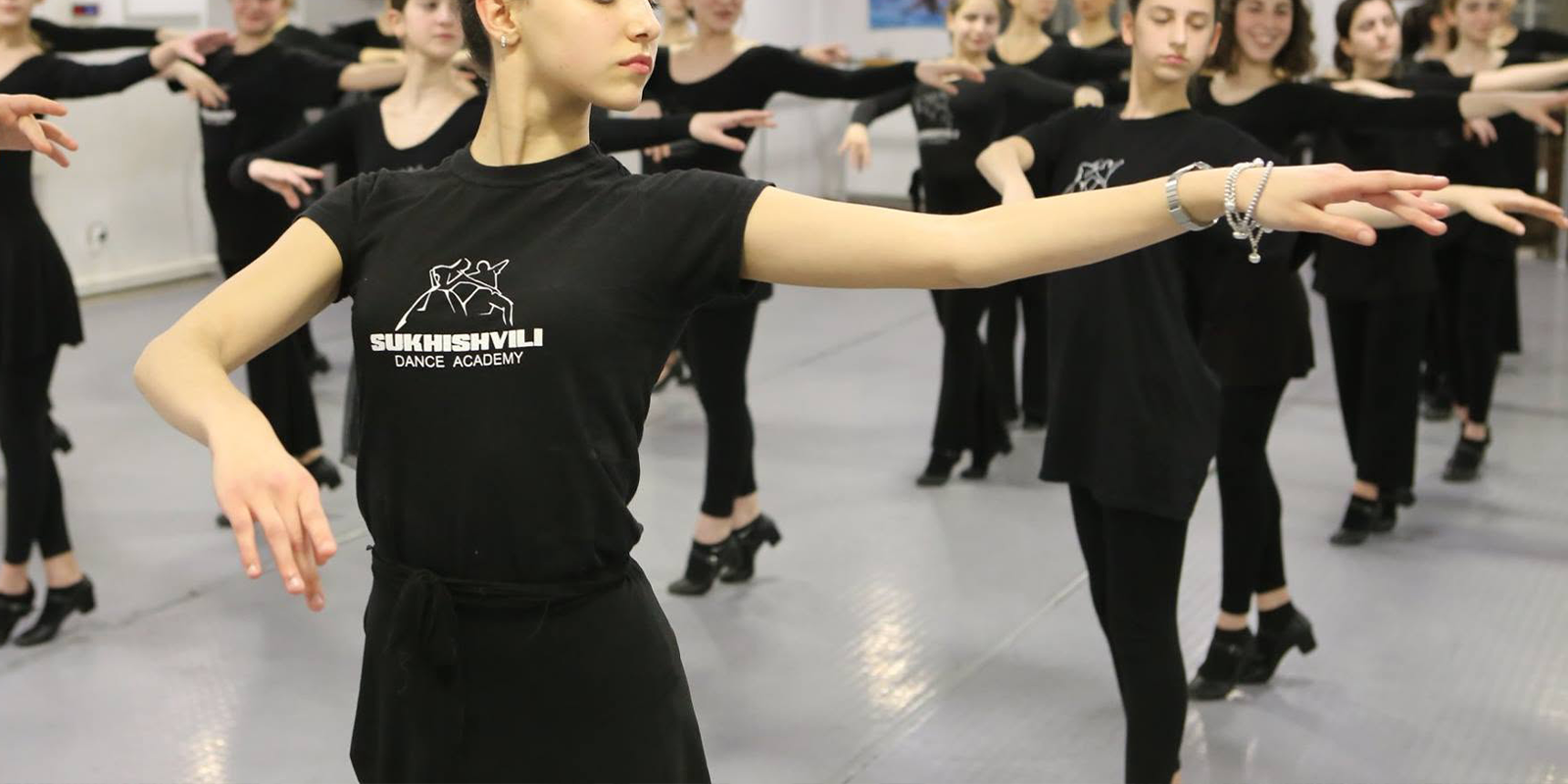
Becoming a skilled performer of Georgian dance requires years of practice and dedication. The physical demands are high, as dancers must combine strength, flexibility, and precision. Training often begins at a young age, with students learning both the technical aspects and cultural significance of the dances.
Educational institutions and dance schools play a key role in preserving Georgian dance. They provide structured training and ensure that traditional knowledge is passed down to future generations. This commitment helps maintain the authenticity and quality of performances.
Through education, Georgian dance continues to evolve while staying connected to its roots. Young dancers not only learn how to perform but also develop a deep appreciation for their cultural heritage.
Why Georgian Dance Remains a Timeless Cultural Treasure
Georgian dance stands as a powerful symbol of national identity and artistic expression. Its unique combination of strength, grace, and storytelling sets it apart from other dance forms. Each performance reflects the history, values, and spirit of the Georgian people.
As the world continues to change, Georgian dance remains a constant, preserving traditions while adapting to new influences. It connects generations, bringing people together through shared culture and experience.
In conclusion, Georgian dance is more than just movement—it is a living tradition that continues to inspire and captivate audiences both in Georgia and around the world. Its enduring appeal lies in its ability to tell stories, evoke emotions, and celebrate the richness of Georgian heritage.
International Perception of Georgian Dance
Georgian dance has earned widespread recognition across the globe, captivating audiences with its unique blend of power, precision, and elegance. International viewers often see Georgian dance as a rare art form that combines athleticism with deep cultural storytelling, making it stand out among world dance traditions. Touring ensembles have played a major role in shaping this global perception, introducing diverse audiences to Georgia’s rich heritage and artistic discipline. As a result, Georgian dance has influenced choreographers and performers in other countries, inspiring elements such as dynamic footwork, expressive gestures, and dramatic staging. It has also contributed to the growing appreciation of traditional folk dances on the international stage, encouraging cultural preservation. Today, Georgian dance is not only a national treasure but also a respected and admired art form worldwide, strengthening cultural connections and promoting cross-cultural understanding.
Conclusion
Georgian dance remains one of the most powerful expressions of Georgia’s cultural identity, combining history, artistry, and emotion in every performance. From its ancient origins to its modern global recognition, it continues to reflect the spirit and values of the Georgian people. The balance of strength and grace, along with its rich symbolism, makes Georgian dance truly unique. As it evolves and reaches new audiences, it still preserves its authentic roots through education and tradition. Ultimately, Georgian dance is not just a performance, but a living heritage that connects generations and celebrates the enduring beauty of Georgian culture.